Roofing guide
Roofing an Old House in an Atlanta Historic District
Most roof repairs in a historic district need no approval at all. Changing what the street sees is where the rules start.
Talk to a roofer
A person answers any hour and can put a crew on the schedule while you are on the line.
Answered 24/7(470) 291-8924By Karl Sutton, Residential Roofing Writer · Updated September 2026
In Atlanta's locally designated historic districts, ordinary roof repairs made in kind generally need no approval, while visible changes to a contributing house, such as a different roofing material, can need a Certificate of Appropriateness from the Urban Design Commission. Check your district's rules before ordering materials, and plan like-for-like work wherever you can.
The districts
Which Neighborhoods This Applies To
The City of Atlanta designates historic and landmark districts, including Inman Park, Grant Park, West End, Adair Park, Cabbagetown and Collier Heights, among others. Within them, certain changes to contributing buildings go through the Urban Design Commission.
Being in a district does not mean every house is treated the same. Contributing buildings, the ones that add to the district's historic character, carry the review requirements; your district's regulations spell out which is which.
Repairs
Repairs in Kind Usually Need Nothing
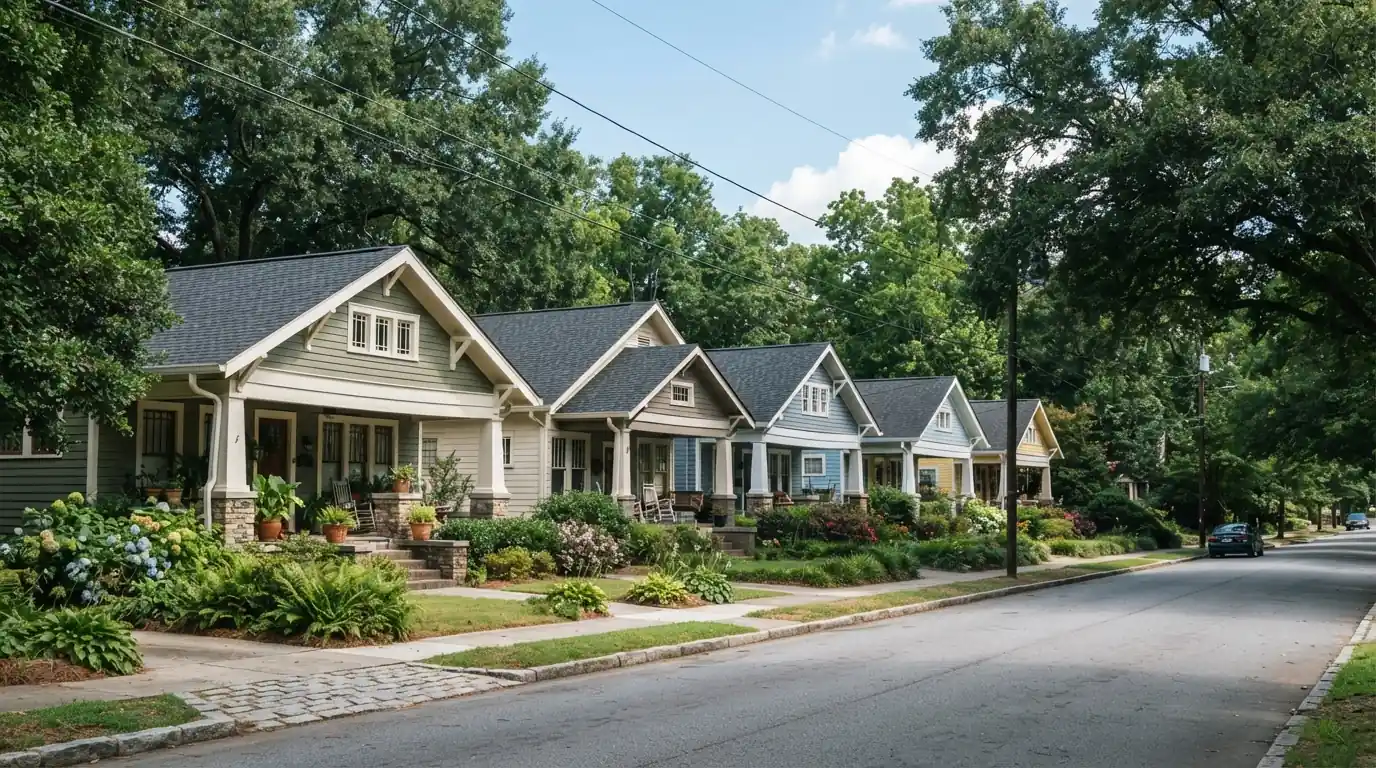
Replacing broken shingles or slates with matching ones, redoing flashing, repairing decking and fixing gutters in the same style are ordinary repairs. In Inman Park, for example, no Type I certificate is required for ordinary repairs and maintenance.
The practical rule is simple: if the finished roof looks the way it did before, you are almost always in repair territory.
Changes
Visible Changes That Can Need Review
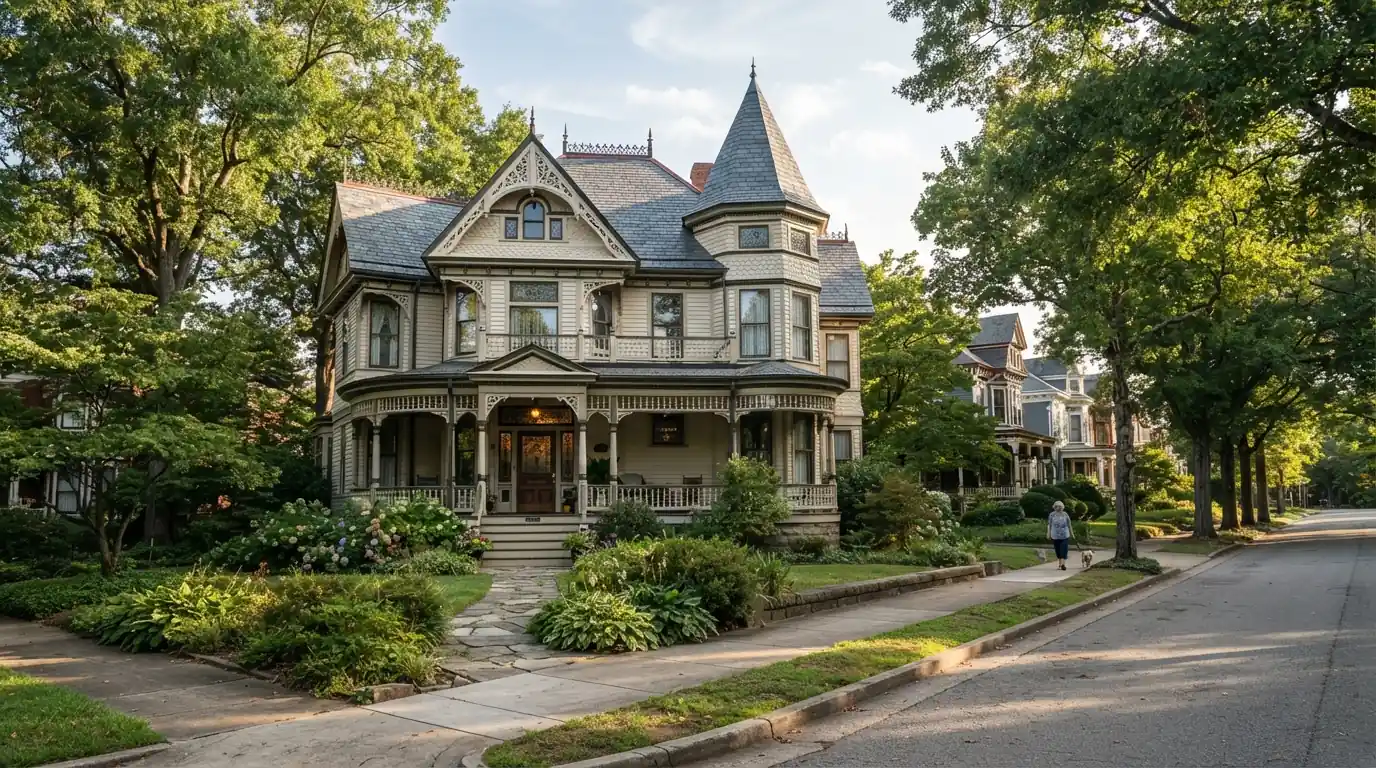
Switching materials, say from slate to shingles or from wood trim to aluminum wrap, changing a roofline, adding dormers or skylights on a street-facing slope, and building an addition are the kinds of changes review exists for.
Solar placement can be regulated too. In the Collier Heights Historic District, rear roof planes are the permitted spot, and putting panels on a side plane has required a variance.
Working on a roof in a historic district? Call and we will plan repairs in kind.
Call nowThe steps
How the Process Works When Review Applies
You apply to the Urban Design Commission with drawings and material details, and staff make a recommendation before the Commission votes. Larger changes take longer and may be deferred to a later meeting.
In Inman Park, where a Type III certificate is needed, the neighborhood strongly encourages meeting with immediate neighbors and presenting to the neighborhood association first, and the Commission considers neighborhood support. Build that time into the schedule.
Planning
Planning a Roof Project Around the Rules
Start by confirming whether the house is contributing and what the district rules say about roofing. Then plan like-for-like wherever possible: matching slate, similar shingle color and profile, copper where copper was used.
Keep photos of the roof before work begins. If anyone questions the work later, a record showing the finished roof matches the original is the simplest answer.
Materials
Matching Materials Without Guesswork
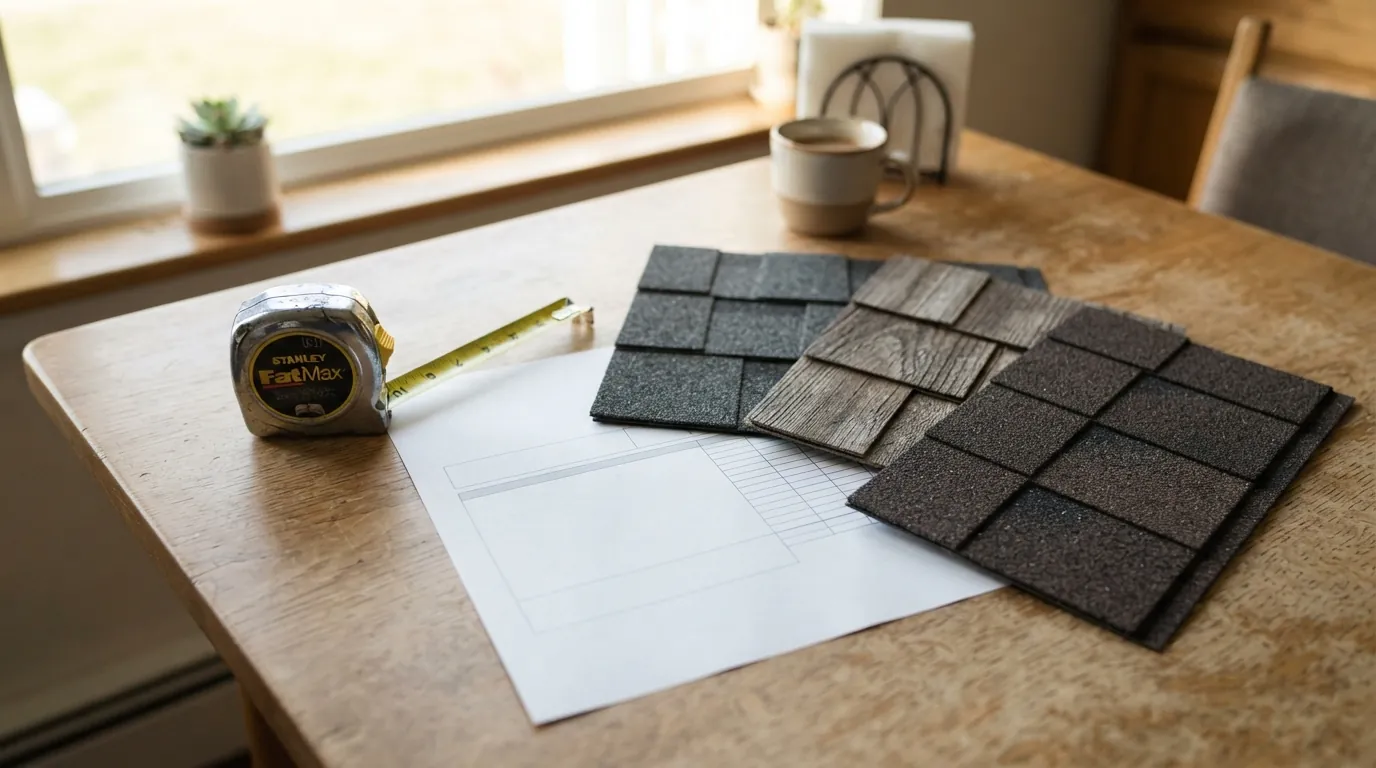
On an older house, matching is detail work: slate of the same color, size and thickness, copper where copper was used, shingles in a profile and color close to what the street already sees. Salvaged slate is often the best match for an old slate roof.
Take a sample to the supplier rather than choosing from a catalog photo, and ask the roofer to show you the replacement next to the original before the whole order goes in.
Before you sign
Questions to Settle Before Work Starts
Is the house contributing? Does any part of the job change what the street sees? Who is preparing drawings or material details if review applies? How will decorative trim, finials and old gutters be protected during the work?
Get the answers in writing along with the scope. A roofer who has worked on older houses will expect these questions and answer them without hesitation.
FAQ
Questions We Hear About This
Ordinary repairs in kind generally do not. Visible changes to a contributing house can.
On a contributing house, that change can need Urban Design Commission review first.
Often, but placement can be regulated. In Collier Heights, rear roof planes are the permitted location.
Your district's regulations and maps say which buildings are contributing.
It depends on the change. Larger items can be deferred to later meetings, so allow time.
Usually the owner does, with drawings and material details from the contractor.
Sometimes, especially slate and copper. Repairs in kind still tend to be the simplest path.
Related
Next Steps and Related Pages
Atlanta, GA service office
1421 Peachtree St NE FL. 3, Atlanta, GA 30361
Talk to a roofer today
Keep the roof right for the house and the district
Call to talk through a repair or replacement on a historic house. We plan repairs in kind and document the roof before and after.