Roofing guide
Why Attic Ventilation Matters So Much in a Georgia Summer
The attic is the part of the roof nobody looks at, and in a Georgia summer it can quietly take years off the shingles.
Talk to a roofer
A person answers any hour and can put a crew on the schedule while you are on the line.
Answered 24/7(470) 291-8924By Karl Sutton, Residential Roofing Writer · Updated September 2026
Attic ventilation in Georgia works when cooler air enters low at the soffits and hot air leaves high at the ridge, sized by code at 1 square foot of vent per 150 square feet of attic floor, or per 300 when intake and exhaust are balanced. Without it, summer heat bakes shingles from below and winter moisture condenses on the deck.
The basics
What Attic Ventilation Is Supposed to Do
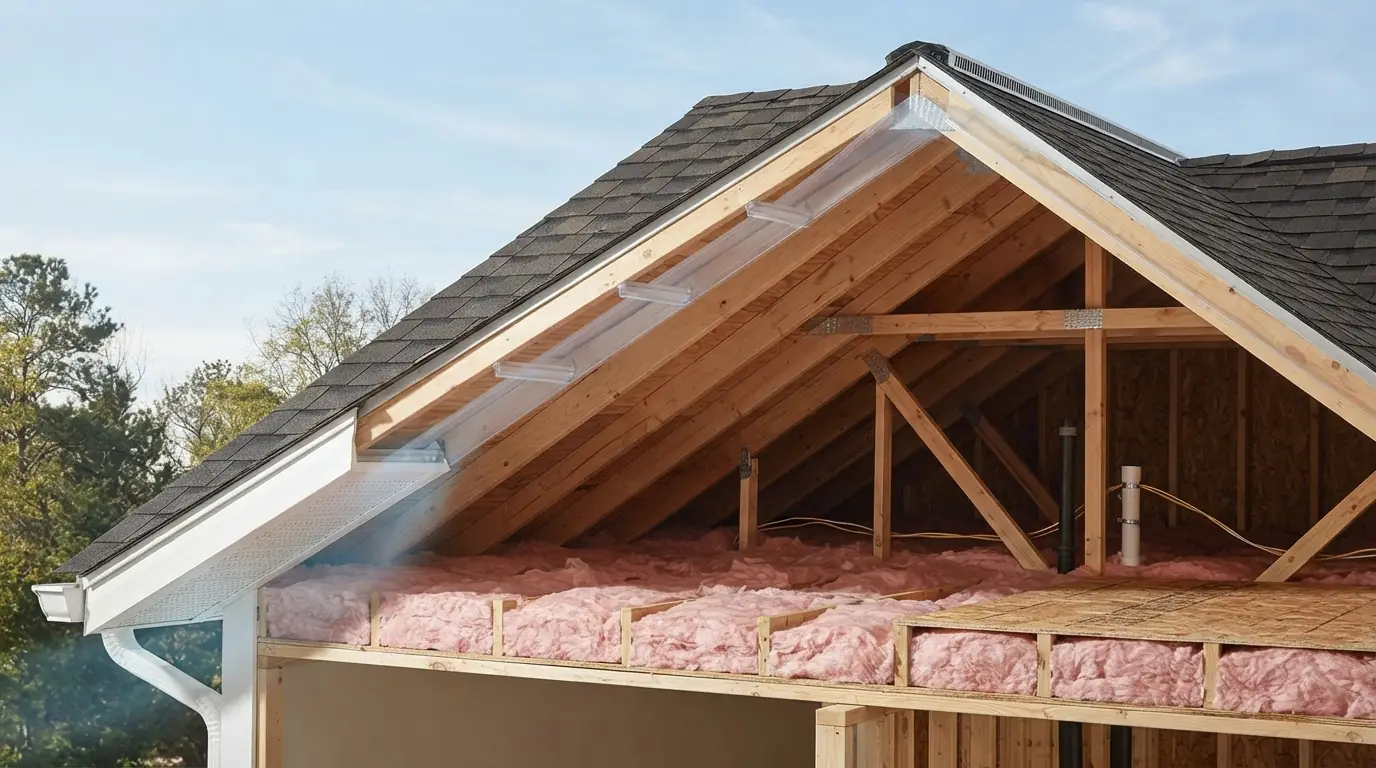
A vented attic is a chimney in slow motion. Cooler outside air comes in low through the soffit vents, warms as it rises, and leaves high through a ridge vent or other exhaust, carrying heat and moisture with it.
When that flow works, the attic stays closer to outdoor temperature in summer and dry in winter. When it does not, heat and moisture sit against the underside of the roof deck.
Summer
What a Hot Attic Does to Shingles
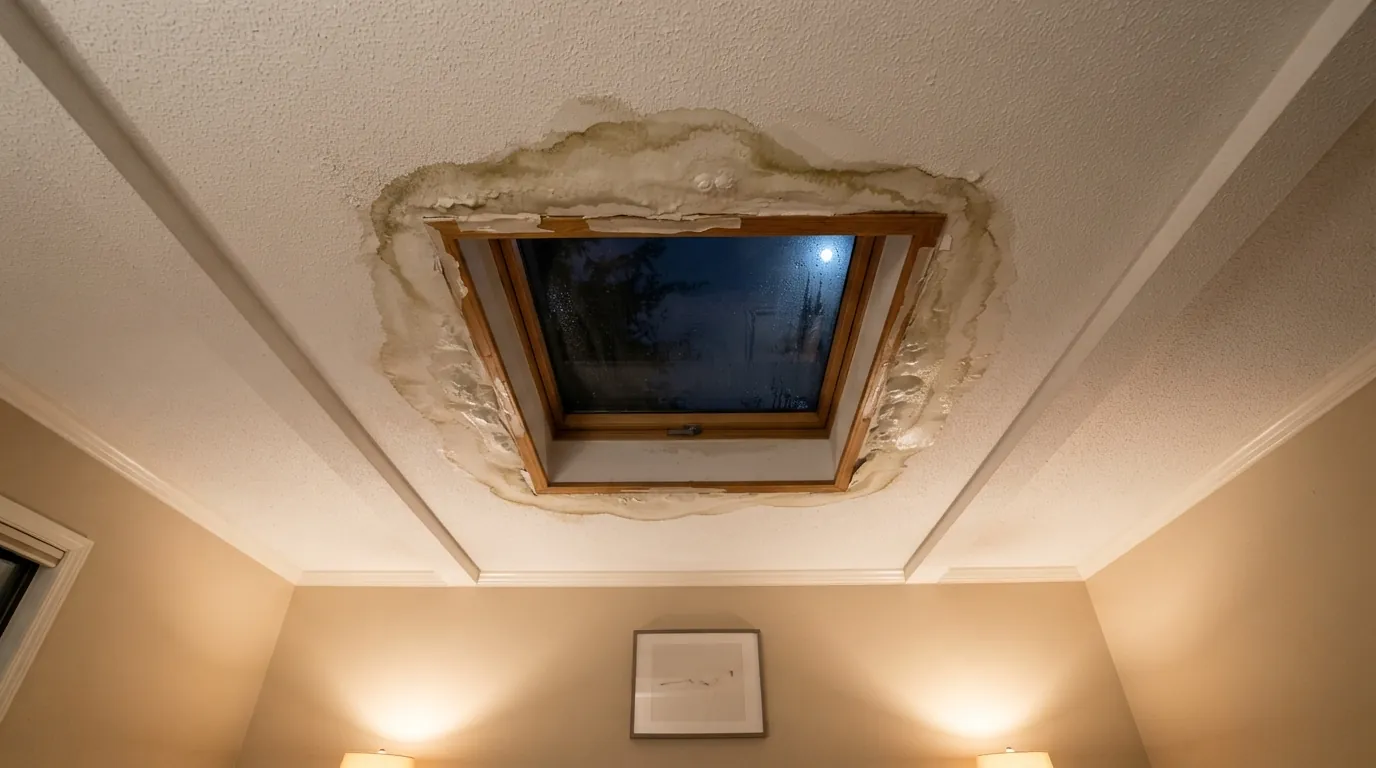
Asphalt shingles age with heat. On a long summer afternoon the sun heats them from above, and an unvented attic heats them from below at the same time.
The result is shingles that curl, crack and shed granules years before their rating. A hot attic also works the air conditioner harder when ducts run through it, which many Atlanta homes have.
Winter
The Winter Side of the Problem
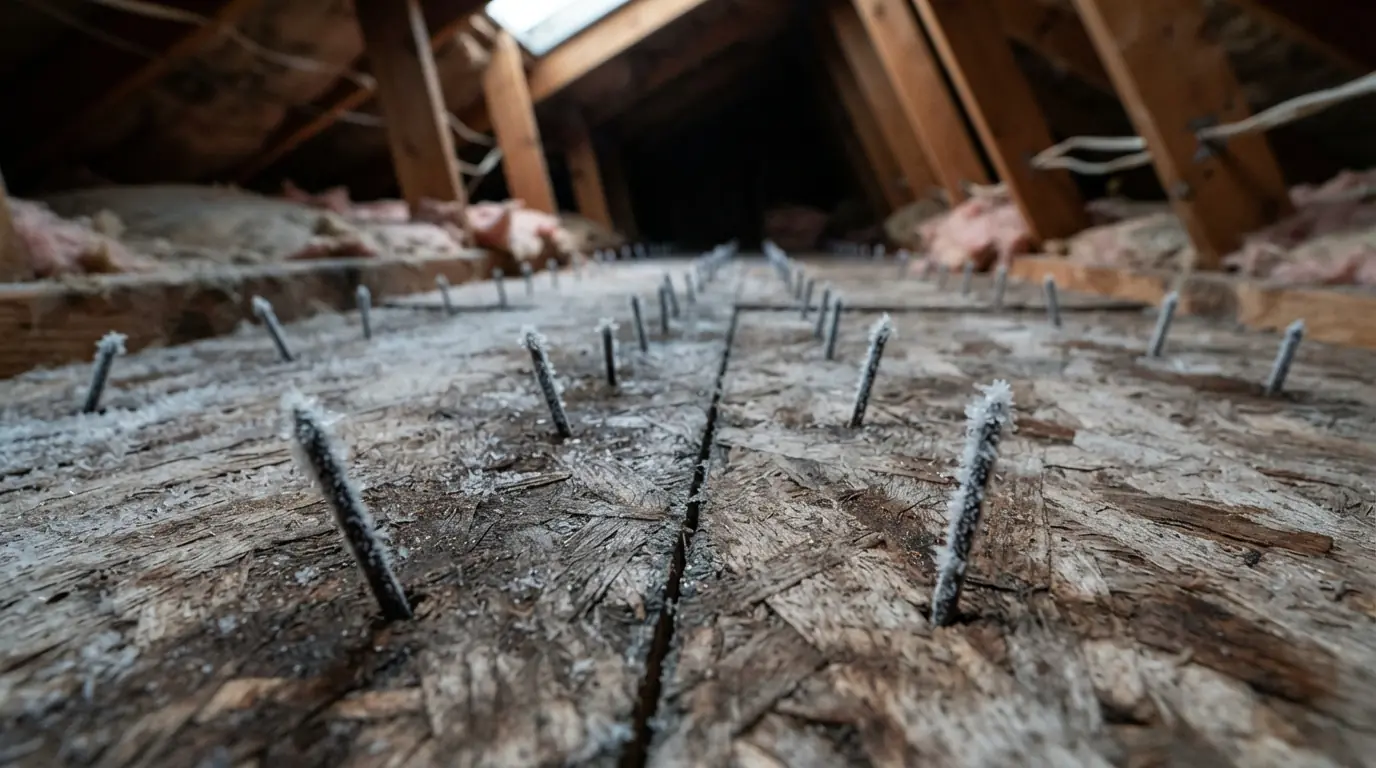
In cold weather, warm, moist air from the house leaks into the attic through ceiling gaps and light fixtures. If it cannot get out, it condenses on the cold underside of the deck and on nail tips.
That shows up as frost or drips on nails, dark stains on the sheathing, and eventually soft decking. It is the same attic problem as summer, showing up as water instead of heat.
The rule
Intake and Exhaust Have to Balance
Codes size ventilation at 1 square foot of vent per 150 square feet of attic floor, or per 300 when intake and exhaust are balanced. The balance matters more than the total.
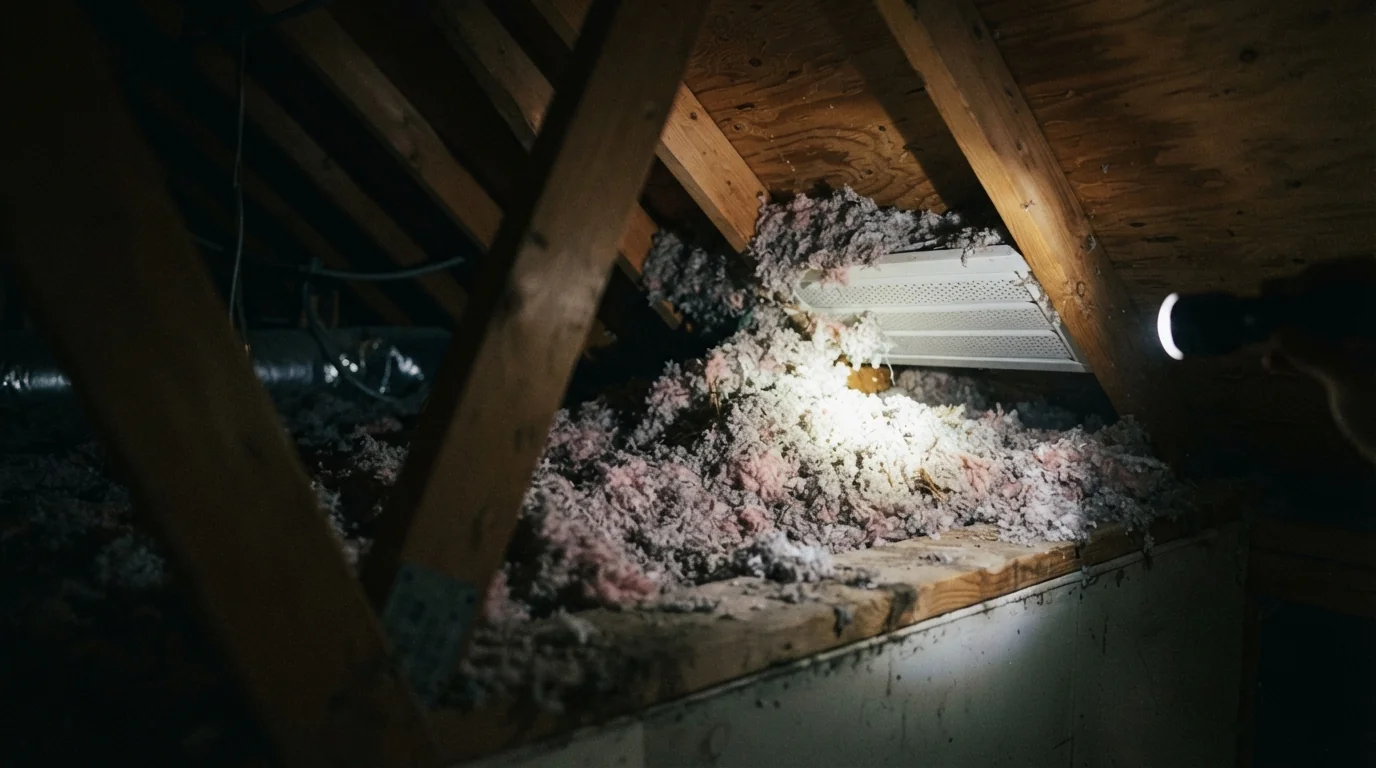
A ridge vent with soffits painted shut or buried under insulation has nothing to pull from, so it draws air from the living space instead. Adding more exhaust to an attic with no intake makes things worse, not better.
Attic too hot to stand in? Call and we will measure the intake and exhaust.
Call nowWarning signs
Signs Your Attic Is Not Working
An attic you cannot stand in on a summer afternoon, upstairs rooms that stay hot, curling shingles on a young roof, frost or rust on nail tips in winter, and a musty smell or dark sheathing all point to poor ventilation.
Many Atlanta houses date from the 1970s and 1980s, and a lot of attics from that era rely on a few box vents and soffits that have since been covered. They are worth checking first.
The options
Ridge Vents, Box Vents and Powered Fans
A continuous ridge vent paired with open soffits is the most even, trouble-free setup, with no moving parts. Box vents work but exhaust unevenly and short-circuit a ridge vent if both are installed.
Powered attic fans often pull more air than the intake can supply, drawing cooled air out of the house. Most roofers now replace a dead fan with passive ridge ventilation rather than another fan.
Timing
When to Fix It
The cheapest time is during a roof replacement, when the ridge is open anyway. But a ridge vent can be cut into an existing roof and capped with matching shingles at any time, and soffit baffles are installed from inside.
Our attic ventilation service starts with measuring what the attic has now, so nothing gets added that the attic does not need.
FAQ
Questions Before You Call
Check that soffit vents are open, there is exhaust near the ridge, and the attic is not far hotter than outside on a summer afternoon.
It reduces attic heat and eases the load on ducts in the attic. Savings depend on insulation and duct sealing.
Too much exhaust without matching intake is a problem. Balance matters more than total vent area.
Usually not. Without enough intake they pull cooled air out of the house.
Warm, moist air from the house is condensing on cold nails. Ventilation and ceiling air sealing fix it.
Yes. A ridge vent can be added to an existing roof, and soffit baffles go in from inside.
Screened vents keep out wasps and rodents. Damaged screens should be replaced.
Atlanta, GA service office
1421 Peachtree St NE FL. 3, Atlanta, GA 30361
Talk to a roofer today
Find out if your attic can breathe
Call to have it checked. We measure intake and exhaust and tell you what, if anything, should change.